

LESSON 2 – INTRODUCING YOURSELF
Paattam 2 – Mimmalni miiru parichayam cheasukoavatam
పాఠం 2 – మిమ్మల్ని మీరు పరిచయం చేసుకోవటం
THIS, THAT & WHAT
Idhi, Adhi & Eamiti
ఇది,అది&ఏమిటి
QUESTIONS: HOW TO ASK – IS THIS / THAT?
PraSnalu: Idhaa / Adhaa – PraSnalu ga elaa adagaali?
ప్రశ్నలు: ఇదా/అదా ప్రశ్నలు గా ఎలా అడగాలి?
PARTS OF THE BODY
Sariira Avayavamulu
శరీర అవయవములు
CONVERSATION: INTRODUCING YOURSELF
SambhaashaNa: Mimmalni miiru parichayam cheasukoandi
సంభాషణ: మిమ్మల్ని మీరు పరిచయం చేసుకోండి
NEW WORDS
Kothha Padhaalu
కొత్త పదాలు
EXERCISES
Abhyaasamulu
అభ్యాసములు
Instructions for the Students
As in many foreign languages, in Telugu too, there are letters which have sounds that are not available in the English language. One of them is - ళ - which is often denoted by “L”. It is pronounced like the letter “L” but with the rolling of the tongue. For example, the word “KaLa” is transliterated as KaLa (starting with a “Ka” sound and ending with a tongue rolling of the letter “L”). Mind you, there are 2 other letters in Telugu - ల and ళ - which are pronounced very much like the normal “L” in English.
Another letter you are likely to come across is – ణ – which is often denoted by “N” and pronounced more like “aNa”. For example, this letter is used in KaNam, which is the Telugu translation of the word “Particle” and sounds similar too. The “Na” part of KaNam is what you will need when you see words beginning with “aNa”.
There are few another sounds in Telugu which is often denoted with the word S in english the letter “sa” is used to say the telugu sound స as the capital S is used to denote the sound Sa (శ) examples : sahana – సహన, Sanaga - శనగ , Sani - శని
As in
The following table demonstrates the sounds of various alphabets in Telugu, when giving in English transliteration. The students are requested to go through the same and understand the pronunciations.
a |
as in |
and |
aa |
as in |
autumn |
ta |
as in |
tall |
tha |
as in |
thank |
da |
as in |
daily |
dha |
as in |
dharma |
ea |
as in |
aerial |
e |
as in |
ever |
o |
as in |
crow |
oa |
as in |
oats |
u |
as in |
argue |
uu |
as in |
vacuum |
i |
as in |
import |
ii |
as in |
see |
Spoken Telugu is often different from Formal/ Written Telugu, and in order to differentiate the two, we have used the purple color to indicate Spoken Telugu Transliteration (Telugu words written using the English alphabet) and Spoken Telugu Script.
It may be difficult initially, but with some practice, you will surely master it!
Throughout the lesson plan, the following sequencing has been used:
- Word/ Phrase/ Sentence in English
- Spoken Telugu Transliteration in English
- Spoken Telugu Script
- Formal Telugu Transliteration in English
- Formal Telugu Script
Essential Phrases – 2
English |
SpokenTelugu Transliteration |
Spoken Telugu |
I like |
Naaku ishtam |
నాకు ఇష్టం |
I won’t like |
Neanu ishtapadanu |
నేను ఇష్టపడను |
I don’t like |
Naaku ishtam leadhu |
నాకు ఇష్టం లేదు |
I want |
Naaku kaavaali |
నాకు కావాలి |
I don’t want |
Naaku vadhhu |
నాకు వద్దు |
I know |
Naaku Thelusu |
నాకు తెలుసు |
I don’t know |
Naaku Theliyadhu |
నాకు తెలియదు |
I understand |
Naaku ardhamainadhi |
నాకు అర్ధమైనది |
I don’t understand |
Naaku ardhamu kaaleadhu |
నాకు అర్ధము కాలేదు |
What is your name? |
nii/mii pearu eamiti? |
నీ/మీ పేరు ఏమిటి? |
My name is ________ |
Naa pearu _______ |
నా పేరు _____ |
Where are you? |
Nuvvu ekkada unnaavu?/Miiru ekkada unnaaru? |
నువ్వు ఎక్కడ ఉన్నావు/మీరు ఎక్కడ ఉన్నారు? |
He/She (near) |
Ithanu/iime |
ఇతను/ఈమె |
He/She (Far) |
Athanu/Aame |
అతను/ఆమె |
We |
Meamu/Manamu |
మేము/మనము |
You |
Nuvvu/Miiru |
నువ్వు/మీరు |
Go |
VeLLu/VeLLandi |
వెళ్ళు/వెళ్ళండి |
Give |
Ivvu/Ivvandi |
ఇవ్వు/ఇవ్వండి |
Enough |
Chaalu |
చాలు |
Not enough |
Saripoadhu |
సరిపోదు |
Having/Have |
Kaligi Undatam |
కలిగి ఉండటం |
Will not be |
Undadhu |
ఉండదు |
- THIS, THAT & WHAT
Idhi, Adhi & Eamiti
ఇది,అది&ఏమిటి
The words This, That and What? are important words in any language. Let’s see how to say and use these words in Telugu.
When we talk about a thing that is near to us, we use This. When we refer to something that is away from us, we use That and when we want to ask a question about something we say What. In Telugu, the word for This is Idhi ఇది, the word for That is Adhi అది and the word for What is Eamiti ఏమిటి.
Examples:
THIS - Idhi - ఇది
|
What is this? Idhi eamiti? ఇది ఏమిటి? |
This is a pen. Idhi oka pennu. ఇది ఒక పెన్ను.. |
|
|
What is this? Idhi eamiti? ఇది ఏమిటి? |
This is a book. Idhi oka pusthakam. ఇది ఒక పుస్తకం. . |
|
|
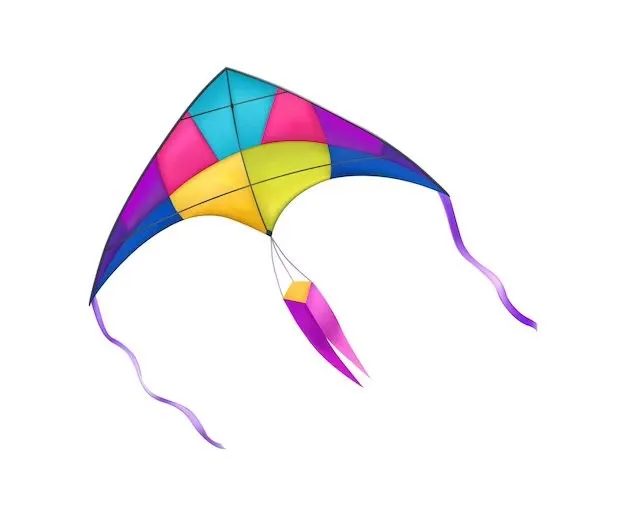
What is this? Idhi eamiti? ఇది ఏమిటి? |
This is a kite. Idhi oka GaaliPatam. ఇది ఒక గాలిపటం. |


|
What is this? Idhi eamiti? ఇది ఏమిటి? |
This is a School. Idhi oka paattaSala. ఇది ఒక పాఠశాల. |
|
|
What is this? Idhi eamiti? ఇది ఏమిటి? |
This is a table. Idhi oka paattaSala. ఇది ఒక పాఠశాల. |
|
|
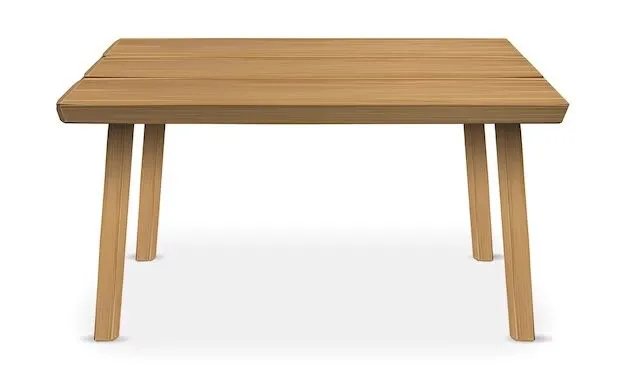
What is this? Idhi eamiti? ఇది ఏమిటి? |
This is a key. Idhi oka paattaSala. ఇది ఒక పాఠశాల. |


THAT -Adhi – అది
|
What is that? Adhi eamiti? అది ఏమిటి? |
That is a house. Adhi oka illu. అది ఒక ఇల్లు. |
|
|
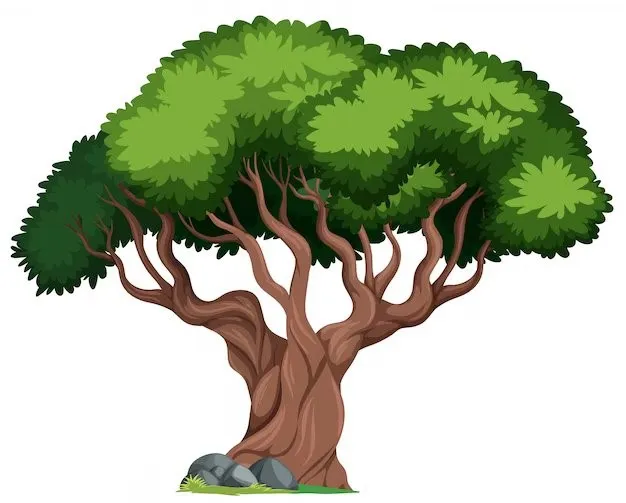
What is that? Adhi eamiti? అది ఏమిటి? |
That is a tree. Adhi oka Chettu. అది ఒక చెట్టు. |
|
|
What is that? Adhi eamiti? అది ఏమిటి? |
That is an elephant. Adhi oka Eanugu. అది ఒక ఏనుగు. |
|
|
What is that? Adhi eamiti? అది ఏమిటి? |
That is a ball. Adhi oka Banthi అది ఒక బంతి. |
|
|
What is that? Adhi eamiti? అది ఏమిటి? |
That is a mountain. Adhi oka Parvatham అది ఒక పర్వతం. |
|
|
What is that? Adhi eamiti? అది ఏమిటి? |
That is a lion. Adhi oka simham అది ఒక సింహం. |





POINTS TO REMEMBER
Gurthunchukovalasina amSaalu
గుర్తుంచుకోవలసిన అంశాలు
English |
Spoken Telugu |
Spoken Telugu |
Written Telugu Transliteration |
Written Telugu |
This, It |
Idhi |
ఇది |
Idhi |
ఇది |
That |
Adhi |
అది |
Adhi |
అది |
What |
Eamiti |
ఏమిటి |
Eamiti |
ఏమిటి |
A / An / One |
Oka |
ఒక |
Oka |
ఒక |
Pen |
Pennu |
పెన్ను |
Pennu |
పెన్ను |
Book |
Pusthakam |
పుస్తకం |
Pusthakam |
పుస్తకం |
Kite |
Gaali Patam |
గాలి పటం |
Gaali Patam |
గాలి పటం |
School |
PaattaSaala |
పాఠశాల |
PaattaSaala |
పాఠశాల |
Table |
Balla |
బల్ల |
Balla |
బల్ల |
Key |
ThaaLam Chevi |
తాళం చెవి |
ThaaLam Chevi |
తాళం చెవి |
House |
Illu |
ఇల్లు |
Illu |
ఇల్లు |
Tree |
Chettu |
చెట్టు |
Chettu |
చెట్టు |
Elephant |
Eanugu |
ఏనుగు |
Eanugu |
ఏనుగు |
Ball |
Banthi |
బంతి |
Banthi |
బంతి |
Mountain |
Parvatham |
పర్వతం |
Parvatham |
పర్వతం |
Lion |
Simham |
సింహం |
simham |
సింహం |
HELPFUL HINTS
Upayoagakaramaina Suuchanalu
ఉపయోగకరమైన సూచనలు
When learning a new language, it is helpful to know some rules or handy ways to remember new words. One way to help remember these and other words you will learn in the coming classes is that if a word is referring to something that is Here the corresponding Telugu word starts with the letter I.
If the word is referring to something that is There or away from you, it starts with the letter A and if it is a Question it starts with the letter E.
For example, the Telugu words for This and Here start with the letter I (Idhi, Ikkada). The Telugu words for That and There start with the letter A (Adhi, Akkada) and the Telugu words for What and Where start with the letter E (Eamiti, Ekkada).
- QUESTIONS: HOW TO ASK - IS THIS / THAT?
PraSnalu: Idhi / Adhi – PraSnalu gaa elaa adagaali ?
ప్రశ్నలు: ఇది/అది-ప్రశ్నలు గా ఎలా అడగాలి?
To ask a question in Telugu, we add an ‘ah’ sound at the end of an object, denoted by aa.
For example: Idhi Gaali Patam ఇది గాలిపటం means It is a kite, but to make it a question you ask
Idhi Gaali patamaa? ఇది గాలిపటమా which means Is it a kite?
Adding the suffix aa to an object turns the statement into a question. You should always keep in mind that this suffix should not sound as a separate syllable - it should become one with the word. For example, Gaalipatam+aa = Gaalipatamaa (It should sound like Gaalipatamaa and not like Gaalipatam and an ‘ah’ sound after a pause).
The suffix that is added changes depending on the ending syllable of the object. Few examples are given below to understand this better.
* When a word ends in ‘m’,’n’,’r’, then the syllable ‘aa’ is added to it.
Gadiyaaram – Gadiyaaram+aa – Gadiyaaramaa
Pusthakam –Pusthakam+aa – Pusthakamaa
Pavan – Pavan+aa – Pavanaa
Caar– Caar+aa - Caaraa
* When a word ends in ‘ai’, ‘i’, then the syllable ‘yaa’ is added to it.
Ammaayi – Ammayi + yaa – Ammaayaa
Jodi – Jodi + yaa – Jodiyaa
* When a word ends in ‘u’, then the syllable ‘u’ is replaced with ‘aa’.
Illu – Illu+aa – Illaa
Aavu – Aavu+aa -Aavaa
* When a word ends in ‘aa’ , then the syllable ‘vaa’ is added to it.
Thaatha – thaatha+vaa – thaathavaa
Vastha – Vastha+vaa – Vasthavaa
When we have questions like - Is this a pen? or Is that a kite?, the answer is usually a Yes or No. Let us now learn to say Yes and No in Telugu.
Yes Avunu అవును Avunandi అవునండి |
No Kaadhu కాదు Kaadhandi కాదండి |
Examples:
Is this (it) a kite? Idhi oka Gaalipatamaa? ఇది ఒక గాలిపటమా? |
Yes, this (it) is a kite. Avunu, idhi oka gaalipatam. Avunandi, idhi oka gaalipatam. |
 |
Is that a book? Adhi oka book-aa? అది ఒక బుక్కా? Adhi oka pusthakamaa? అది ఒక పుస్తకమా? |
No, that is a pen. Kaadhu, adhi oka Pennu. కాదు, అది ఒక పెన్ను. Kaadhandi, adhi oka pennu. కాదండి, అది ఒక పెన్ను. |
 |
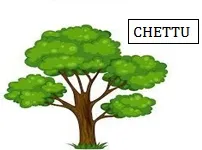
Is this (it) an elephant? Idhi oka eanugaa? ఇది ఒక ఏనుగా? |
No, this (it) is a tree. Kaadhu, idhi oka chettu. కాదు, ఇది ఒక చెట్టు. kaadhandi, idhi oka chettu. కాదండి, ఇది ఒక చెట్టు. |
 |
3. PARTS OF THE BODY
Udal Uruppugal
உடல் உறுப்புகள்
MY BODY
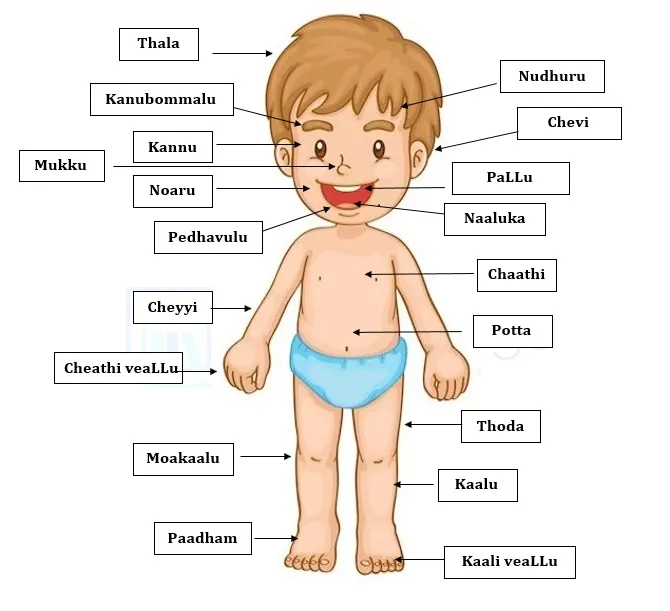
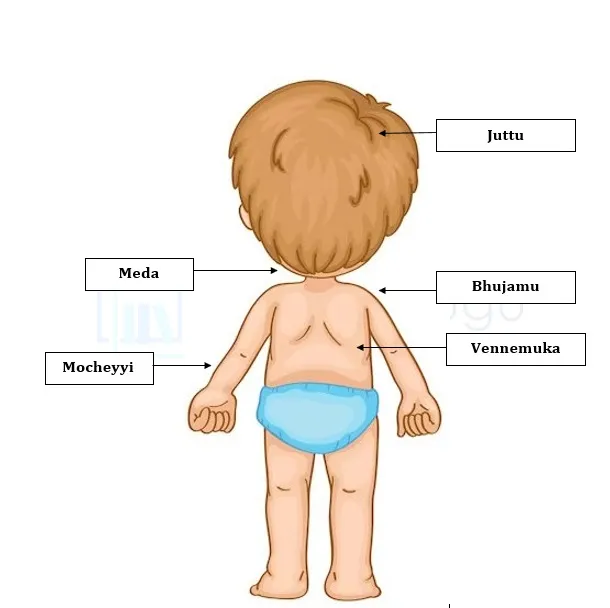
English |
Spoken Telugu Transliteration |
Spoken Telugu |
Head |
Thala |
తల |
Hair |
Juttu |
జుట్టు |
Forehead |
Nudhuru |
నుదురు |
Eyebrow |
Kanubomma |
కనుబొమ్మ |
Eye |
Kannu |
కన్ను |
Ear |
Chevi |
చెవి |
Nose |
Mukku |
ముక్కు |
Mouth |
Noaru |
నోరు |
Teeth |
Pannu/PaLLu |
పన్ను/పళ్ళు |
Tongue |
Naaluka |
నాలుక |
Lips |
Pedhavulu |
పెదవులు |
Chest |
Chhaathi |
ఛాతి |
Hand |
Cheyyi |
చెయ్యి |
Fingers |
VeaLLu |
వేళ్ళు |
Stomach |
Potta |
పొట్ట |
Back / Spine area |
Vennemuka |
వెన్నెముక |
Elbow |
Moacheayi |
మోచేయి |
Shoulder |
Bhujamu |
భుజము |
Leg |
Kaalu |
కాలు |
Knee |
Moakaalu |
మోకాలు |
Foot |
Paadham |
పాదం |
See if you can answer the following questions:
Ii krindhi chithraalanu chuusi samaadhhaanam cheppandi:
ఈ క్రింది చిత్రాలను చూసి సమాధానం చెప్పండి:
1 |
Idhi eamiti? ఇది ఏమిటి? |
Answer: |
 |
2 |
Adhi pennaa? అది పెన్నా? |
Answer: |
 |
3 |
Adhi eamiti? అది ఏమిటి? |
Answer: |
 |
4 |
Idhi Illaa? ఇది ఇల్లా? |
Answer: |
 |
5 |
Idhi eamiti? ఇది ఏమిటి? |
Answer: |
 |
6 |
Adhi eamiti? అది ఏమిటి? |
Answer: |
 |
7 |
Idhi chevaa? ఇది చెవా? |
Answer: |
 |
4.INTRODUCING YOURSELF
SambhaashaNa: Mimmalni miiru parichayam cheasukovatam
సంభాషణ: మిమ్మల్ని మీరు పరిచయం చేసుకొవటం
Today you will learn how to introduce yourself in Telugu. The key words to know are:
English |
Spoken Telugu Transliteration |
Spoken Telugu |
Written Telugu Transliteration |
Written Telugu |
MY |
Neanu |
నేను |
Neanu |
నేను |
Naayokka |
నాయొక్క |
Naa |
నా |
|
Naadhi |
నాది |
|||
ME |
Nannu |
నన్ను |
Nannu |
నన్ను |
Neanu neanu kuudaa neanea |
నేను నేను కూడా నేనే |
Neanu neanu kuudaa neanea |
నేను నేను కూడా నేనే … |
|
MINE |
Naathoa |
నాతో |
Naadhi |
నాది |
I |
Neanu |
నేను |
Neanu |
నేను |
Naaku |
నాకు |
Naaku |
నాకు |
|
**In the case of the Object pronoun, Me, there are many different ways of saying it in Telugu. When Me is used along with different prepositions, various forms of the pronoun arise, which will be dealt with in future lessons.
THINGS TO REMEMBER
Gurthunchukoavalasina vishayaalu
గుర్తుంచుకోవలసిన విషయాలు
Just as the words - I, Me, My and Mine refer to one’s self, but depend on the context in which they are used, in the same way, even in Telugu, the words Neanu, Naa, Naaku, and Naadhi depend on the context in which they are used.
For example, we use Naaku when we make statements such as ‘I like’, ‘I know’ and ‘I want’; whereas we use the word Neanu also to talk about ourselves, but in statements beginning with ‘I am’ as in ‘I am a student’, ‘I am tired’ etc. To be more precise the pronoun Naaku is used when the subject is followed ny an ‘Non Motion Verb’ such as like, want, know etc.,
Now let’s learn some basic sentences to introduce ourselves:
1. |
My name is _____________. Naa /Naayokka pearu ____________. నా/నాయొక్క పేరు ____________. Naa pearu ____________. నా పేరు _____________. |
(Fill the blank with your name) |
2. |
I am studying in _____________ Neanu ______________ va tharagathi loa chadhuvuthunnaanu. నేను ______________ వ తరగతి లో చదువుతున్నాను. Neanu______________ va tharagathi loa chadhuvuthunnaanu. నేను ______________ వ తరగతి లో చదువుతున్నాను. |
(The class you are studying – 8th, 9th or 10th or College) |
3. |
The name of my school/university is __________________. నా/ నా యొక్క పాఠశాల/విశ్వవిద్యాలయం పేరు __________________. Naa paattaSaala / kaLaaSaala /viswavidhyaalayam pearu __________________. నా పాఠశాల/కళాశాల/విశ్వవిద్యాలయం పేరు __________________. |
(Your School/College/ University) |
4. |
I am working in __________________. Neanu __________________ -loa pani cheastunnaanu. నేను __________________ - లో పనిచేస్తున్నాను. Neanu __________________ -loa pani cheastunnaanu. నేను __________________ - లో పనిచేస్తున్నాను. |
(The name of your Organization) |
5. |
My father’s name is __________________. Naa/Naa yokka naanna pearu __________________. నా/మా యొక్క నాన్న పేరు __________________. Maa naanna gaari pearu __________________. మా నాన్న గారి పేరు __________________. Adding yokka or gaaru at the end is the same as adding ‘s at the end of a word in English for possessive nouns to denote ownership, like John’s house, book’s author etc. |
(Dad’s Name) |
6. |
My father is a __________________. Naa / Maa Naanna oka __________________. నా/మా నాన్న ఒక __________________. Maa Naanna/Nanna garu oka __________________. మా నాన్న/నాన్న గారు ఒక __________________. |
(Dad’s Occupation – doctor, electrician, engineer etc.) |
7. |
My mother’s name is __________________. Naa/Naa yokka amma gaari pearu __________________. నా/నా యొక్క అమ్మ గారి పేరు __________________. Maa amma gaari pearu __________________. మా అమ్మ గారి పేరు __________________. Remember to add yokka or gaaru after the word Ammaa as it is about your mother. |
(Mom’s Name) |
8. |
My mother is a __________________. Naa / Maa ammaa oka __________________. నా/మా అమ్మ ఒక __________________. Maa amma/ammagaaru oka __________________. మా అమ్మ/అమ్మ గారు ఒక __________________. |
(Mom’s Occupation – teacher, doctor, home-maker etc.) |
9. |
I live in __________________. Neanu __________________ -lo nivasisthunnaanu/untunnaanu నేను __________________ - లో నివసిస్తున్నాను/ఉంటున్నాను. Neanu __________________ -lo nivasisthunnaanu/untunnaanu నేను __________________ లో నివసిస్తున్నాను/ఉంటున్నాను. In both cases you add -lo at the end of the town, locality, country or continent you are referring to, as this indicates that you are referring to a place. For example, Washington becomes Washington-lo and America becomes America-lo. |
(Place where you live) |
10. |
I like __________________ very much. Naaku __________________ ishtam . నాకు __________________ ఇష్టం. Naaku __________________ chaalaa ishtam. నాకు __________________ చాలా ఇష్టం. |
(Example pizza, cakes, fruit etc.) |
11. |
I do not like __________________. Naaku __________________ishtam leadhu. నాకు __________________ ఇష్టం లేదు. Naaku __________________ ishtam leadhu. నాకు __________________ ఇష్టం లేదు. |
(Example vegetables, earthquakes etc.) |
5. NEW WORDS
Kothha Padhaalu
కొత్త పదాలు
Learn the following words to help build your vocabulary:
English |
Spoken Telugu Transliteration |
Spoken Telugu |
Written Telugu Transliteration |
Written Telugu |
Name |
Pearu |
పేరు |
Pearu |
పేరు |
Studying |
Chaduvuthunnaanu |
చదువుతున్నాను |
Chaduvuthunnaanu |
చదువుతున్నాను |
Working |
Pani cheasthunnaanu |
పని చేసున్నాను |
Pani cheasthunnaanu |
పని చేసున్నాను |
Living |
Nivasisthunnaanu |
నివసిస్తున్నాను |
Nivasisthunnanu/ untunnaanu |
నివసిస్తున్నాను/ఉంటున్నాను |
Very much |
Chaala |
చాలా |
Chaalaa |
చాలా |
Chaalaa ekkuva |
చాలా ఎక్కువ |
|||
Like |
Ishtam |
ఇష్టం |
Ishtam |
ఇష్టం |
Do not like / Dislike |
Ishtam leadhu |
ఇష్టం లేదు |
Ishtam leadhu |
ఇష్టం లేదు |
6. EXERCISES
Abhyaasamulu
అభ్యాసములు
Answer the following questions in Telugu- say Yes / No:
Krindhi praSnalaku Avunu / Kaadhu ani samaadhhaanam ivvandi:
క్రింది ప్రశ్నలకు అవును / కాదు అని సమాధానం ఇవ్వండి
 |
Idhi kannaa? | Avunu / Kaadhu _____________ |
|
Idhi kaalaa? | Avunu / Kaadhu _____________ |
 |
Idhi chevaa? | Avunu / Kaadhu _____________ |
|
Idhi Cheyya? | Avunu / Kaadhu _____________ |
 |
Idhu kaalaa? | Avunu / Kaadhu _____________ |
 |
Idhi Noaraa? | Avunu / Kaadhu _____________ |
 |
Idhi paadhamaa? | Avunu / Kaadhu _____________ |
Fill in the blanks and translate these into Telugu:
KhaaLiilanu Puurinchandi mariyu Telugu loa ki anuvadhinchandi:
ఖాళీలను పూరించండి మరియు తెలుగు లో కి అనువదించండి:
Example - UdhaaharaNa – ఉదాహరణ:
I am studying Telugu
Neanu Telugu chadhuvuthunnaanu .
|
| 2. am living in __________________ |
| 3.Seventy five ___________________. |
| 4.My father’s name is __________________. |
| 5.I like __________________ very much. |
| 6.Hundred ____________________. |
| 7.I am working in __________________. |
| 8.My mother’s name is __________________. |
| 9.Eighty ___________________. |
| 10.My father is a __________________. |
| 11My school’s name is __________________. |
| 12.My mother is a __________________. |
| 13.I don’t like __________________ |
| 14.Ten ____________________. |
| 15.Stomach ___________________. |
| 16.Thirty-eight ____________________ |
| 17.Leg ________________________. |
| 18.Fifty-nine _________________. |
19.Hair _____________________ |
20.Nose _______________________ |